New on ImpactMojo, 4 to 7 October 2026
Twenty new 101 courses, a Code Studio, thirteen reading companions and four Field Radio videos, and courses brought up to date with NFHS-6, the DPDP Act and the new labour law. Links to all of it.
The ImpactMojo Blog: insights on MEAL, Theory of Change, research methods, and building capacity in the development sector.
Twenty new 101 courses, a Code Studio, thirteen reading companions and four Field Radio videos, and courses brought up to date with NFHS-6, the DPDP Act and the new labour law. Links to all of it.
Systematic reviews, academic writing, time series, structural equation modelling, statistics without code and qualitative analysis software: six free 100-slide decks built in one week, what each one insists on, and the gap they were built to close.
Six workshops published as Markdown you can download, edit and run. Why a deck is a bad container for a session, the whole format in two lines, and the twenty-minute checker that catches the failure a preview hides.
Three flagship courses, six 101 decks, three Studios, two deep dives, six reading companions and the printable handouts: what each one is for, why the same Time Use table supports both “3.2 times” and “5.9 times”, and the three gaps we have not filled.
The standard guidance lists eight steps in order. In practice the sixth one, the counterfactual, constrains every step before it, and teams that reach it last usually find their options already gone. What to ask in the first meeting instead.
India read animal dignity into the right to life in 2014 and drafted cage-free rules in 2017. The maximum fine for a first offence of cruelty is still the fifty rupees set in 1960. Four charts on the gap between what the law says and what it costs.
A p-value and a confidence interval answer different questions. Knowing which is which changes what you do with a result: with a worked example from a programme evaluation.
A Supreme Court judgment was delivered in May 2025, recalled in November, and reheard in July 2026. Nothing in anyone’s files changed on any of those dates. What to check before citing a case, and what is now free to check.
By social group the unemployment rate moves 1.6 points; labour-force participation moves twenty, in the other direction. Why the two rates have different denominators, and the rule thirteen data explorers ended up following.
Every flagship now ships a printable Course Notes PDF you can own and annotate: plus four timely new free 101 courses on GenAI, data protection, safeguarding and disability inclusion.
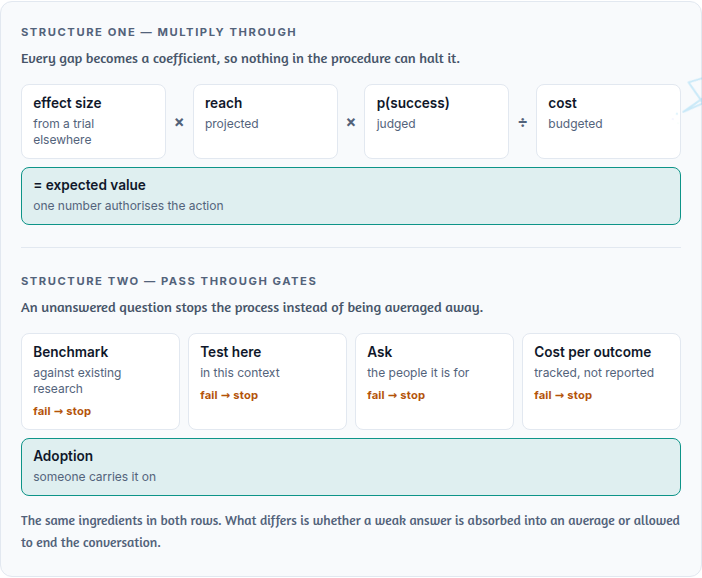
The strongest case for letting cost-effectiveness decide, the five objections that defeat it, and eight working principles that keep the counting while withdrawing its authority to conclude. Sourced throughout: Singer, Rawls, Pogge, Deaton, Sen, the deworming replications and the Indian case law.
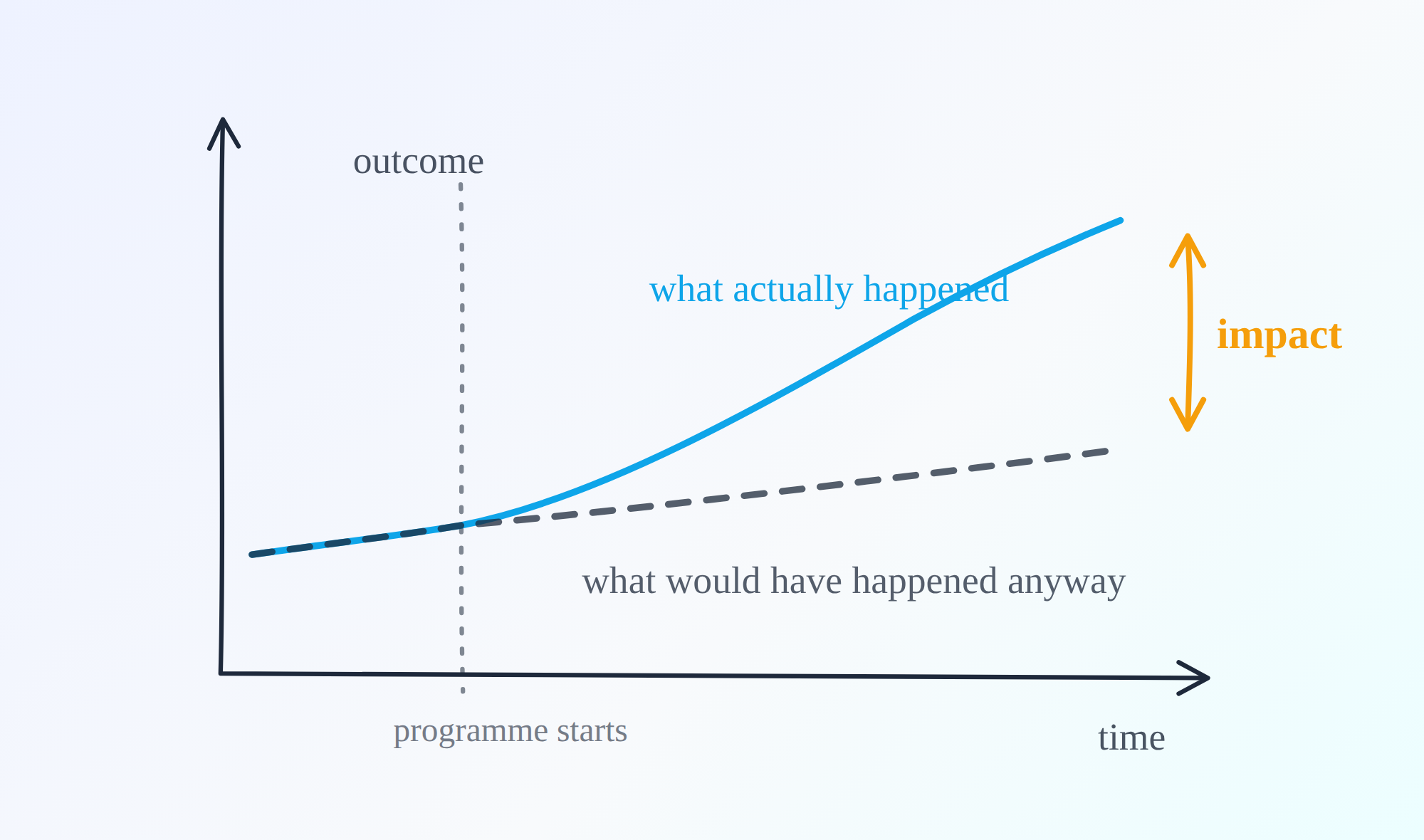
Every impact claim implies a counterfactual. Four traps that fool boards and funders, the hierarchy of honest answers, and three questions to ask of any number that claims impact: no statistics required.
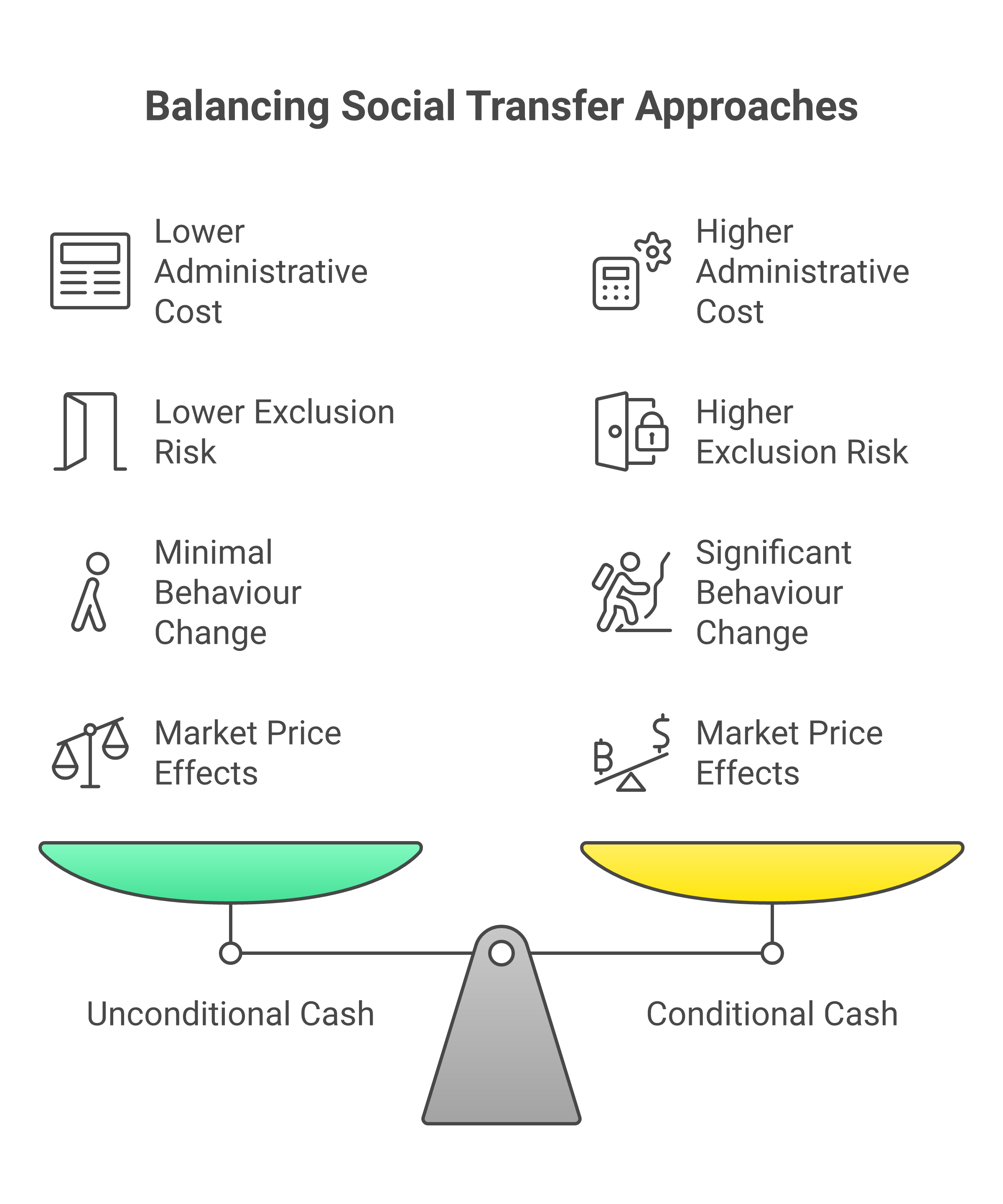
Cash transfers went from heresy to the default benchmark in development. A practitioner's guide to what the evidence shows: UCT vs CCT, cash vs in-kind, delivery & leakage, and India's DBT.
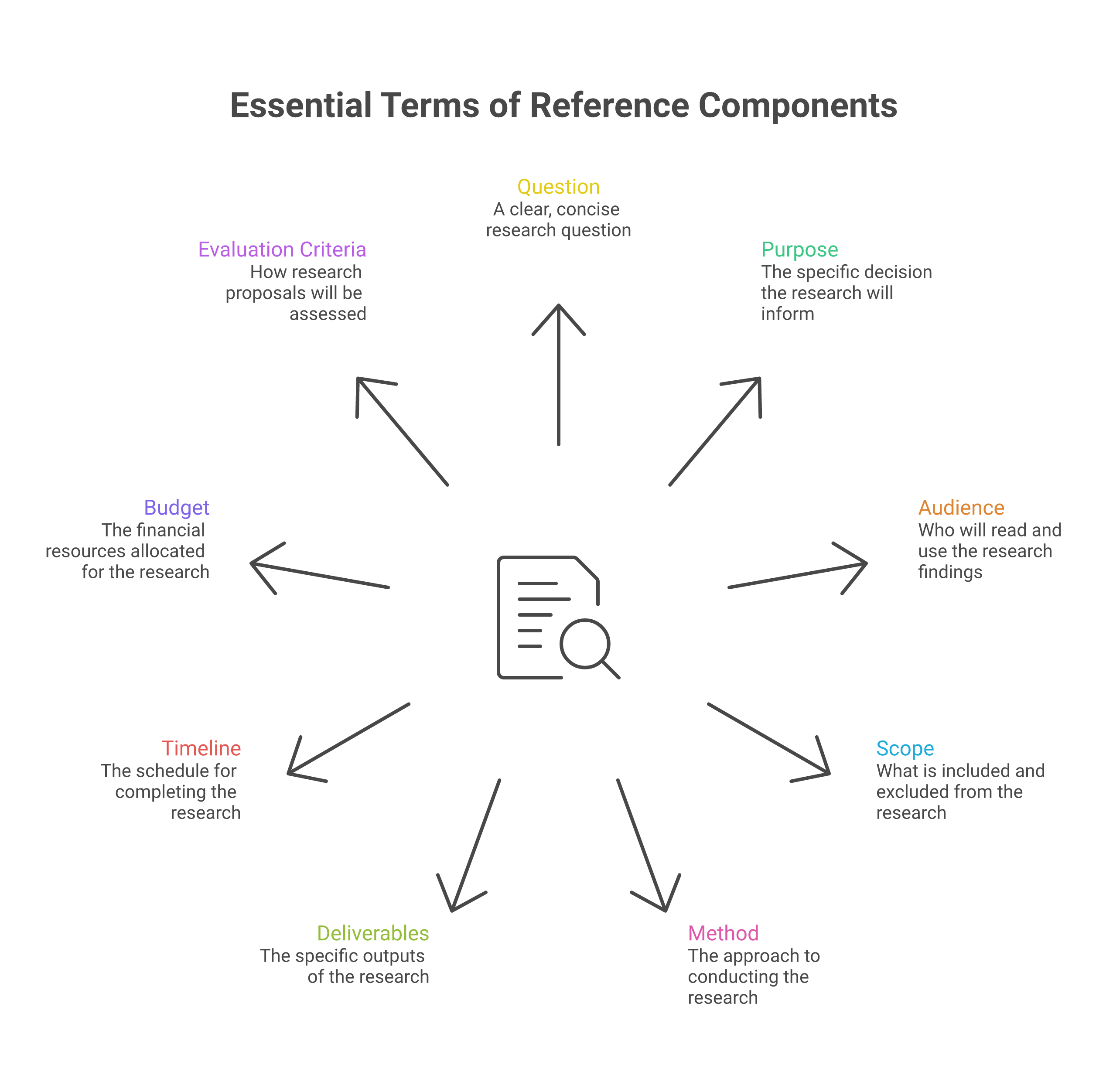
The two biggest reasons research engagements fail: unclear scopes and asking for the wrong type of research. Here's how to write a ToR/SoW/RFP that fixes both: plus honest India 2026 budget benchmarks.
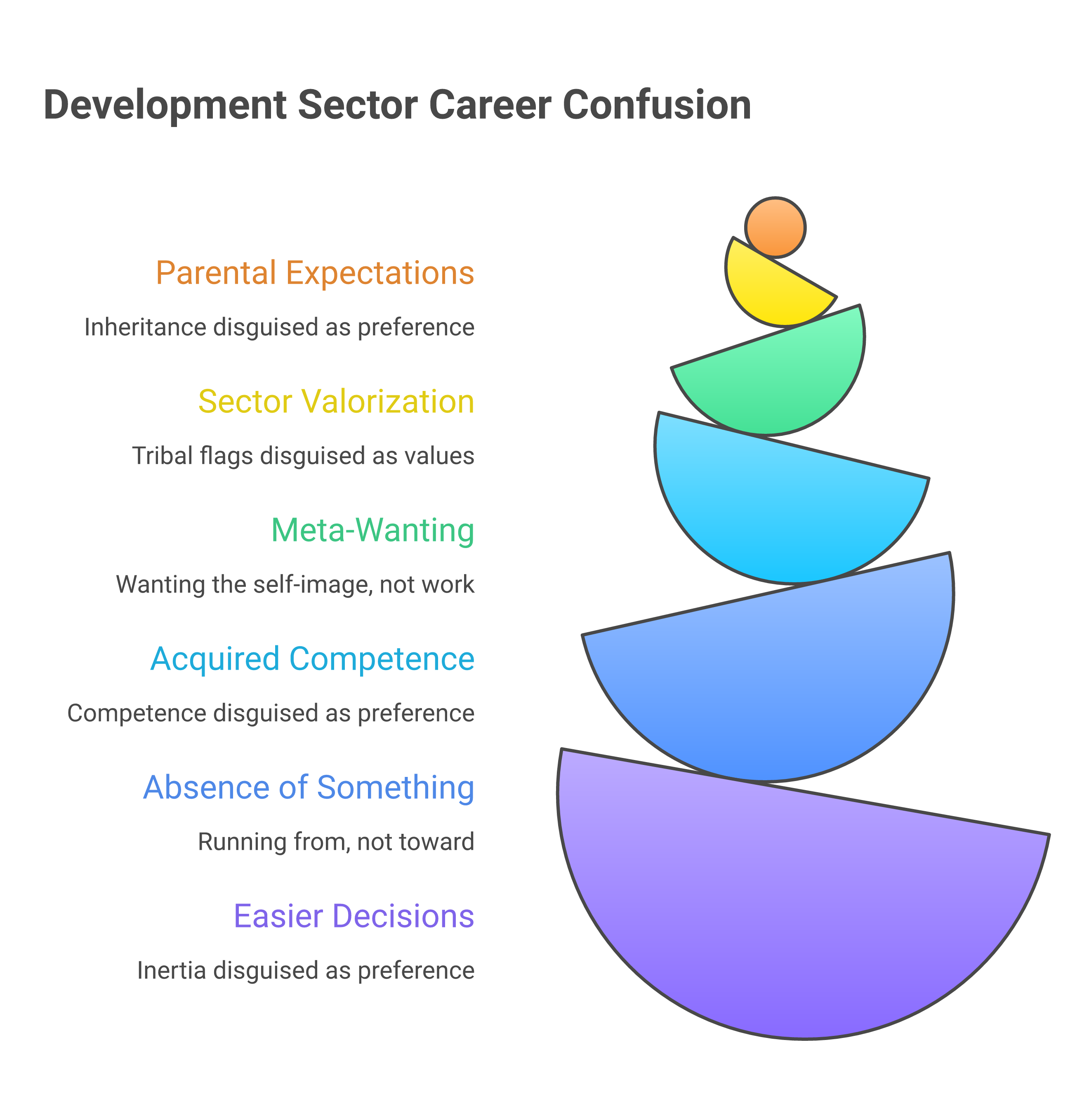
The quiet, hardest, most-skipped step in development work: actually knowing what you want, before you build the theory of change for it.

A real story of going from 393 WCAG violations to zero in one afternoon: the bugs we found, and the lessons that travel.

A practical comparison of two popular indicator frameworks--and when to use each for maximum impact in your M&E work.

Why most ToCs fail to drive real learning--and what you can do differently to make yours a living document.

From coding to theming: making sense of interviews, FGDs, and open-ended survey responses.
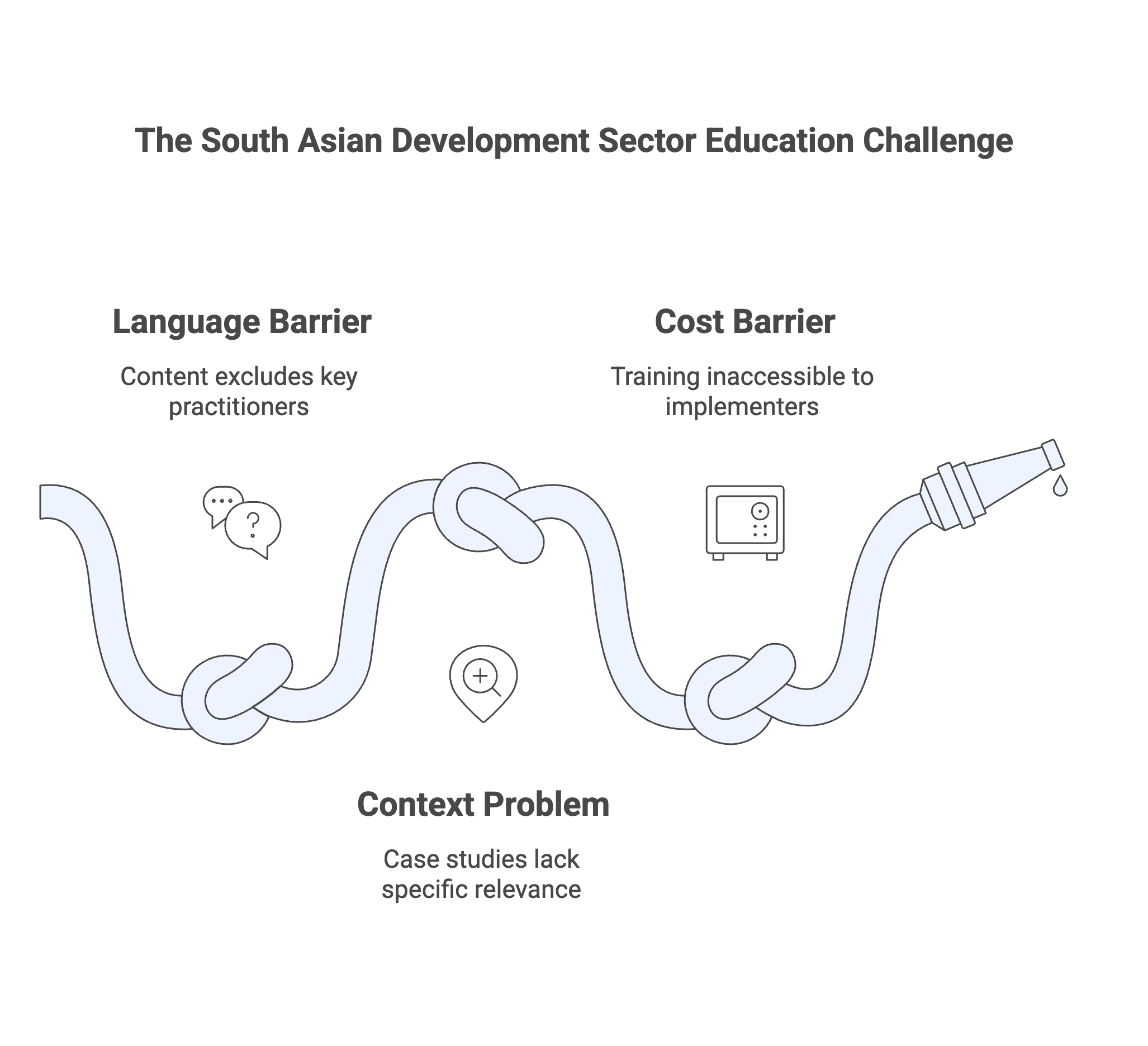
The story behind our "pay what you think is fair" philosophy and why access to quality development education shouldn't depend on budgets.

Statistical power and sample size calculations explained without the jargon--and why getting the numbers right matters.

How development practitioners across South Asia are building their skills and transforming their organizations.

The December roadmap, six months in: an honest scorecard of what shipped, what's in progress, and what's still ahead.
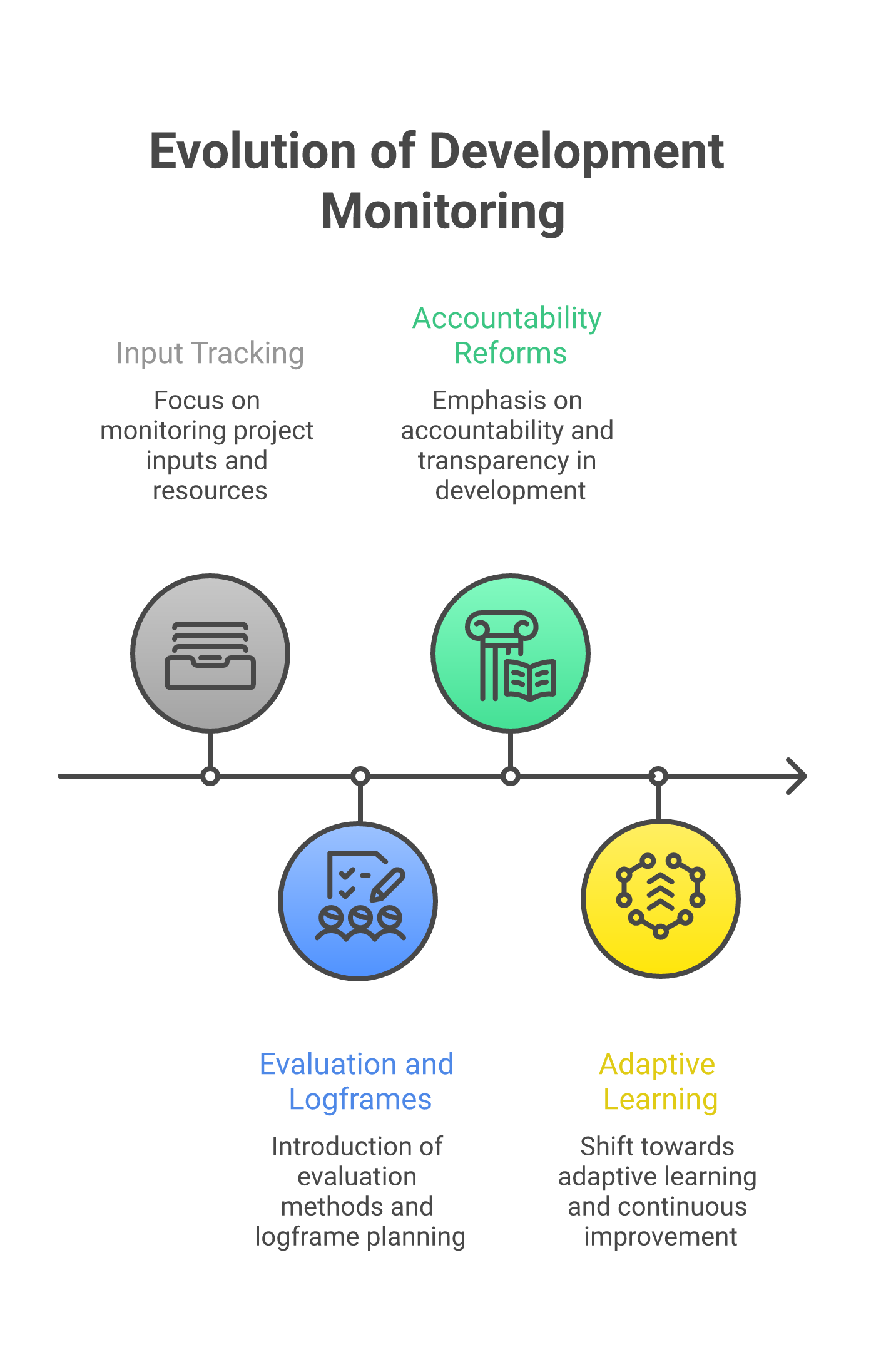
Tracing the evolution from basic project tracking to the integrated MEAL framework used across the development sector today.
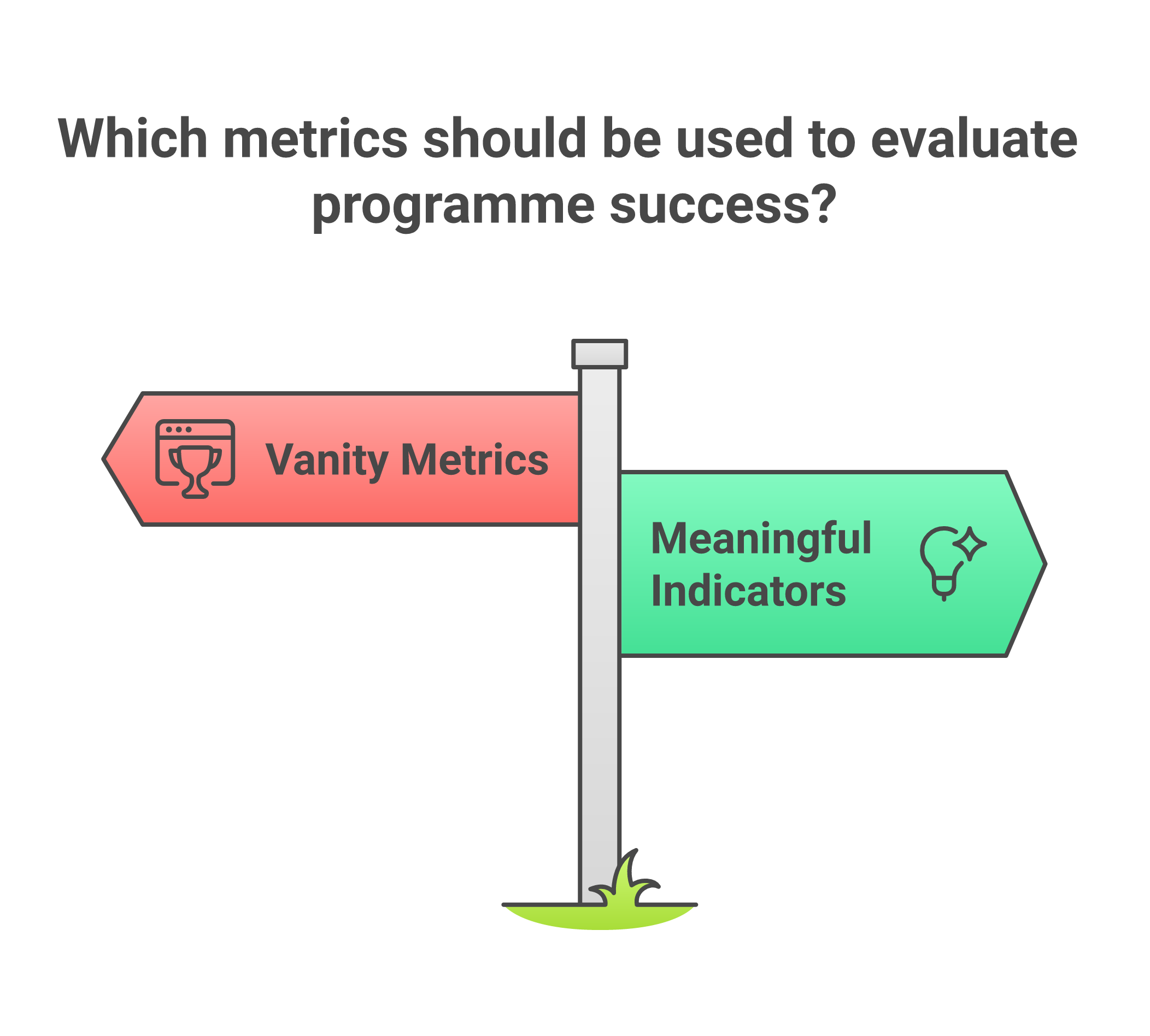
How to distinguish between vanity metrics and meaningful indicators that drive real programme improvement.
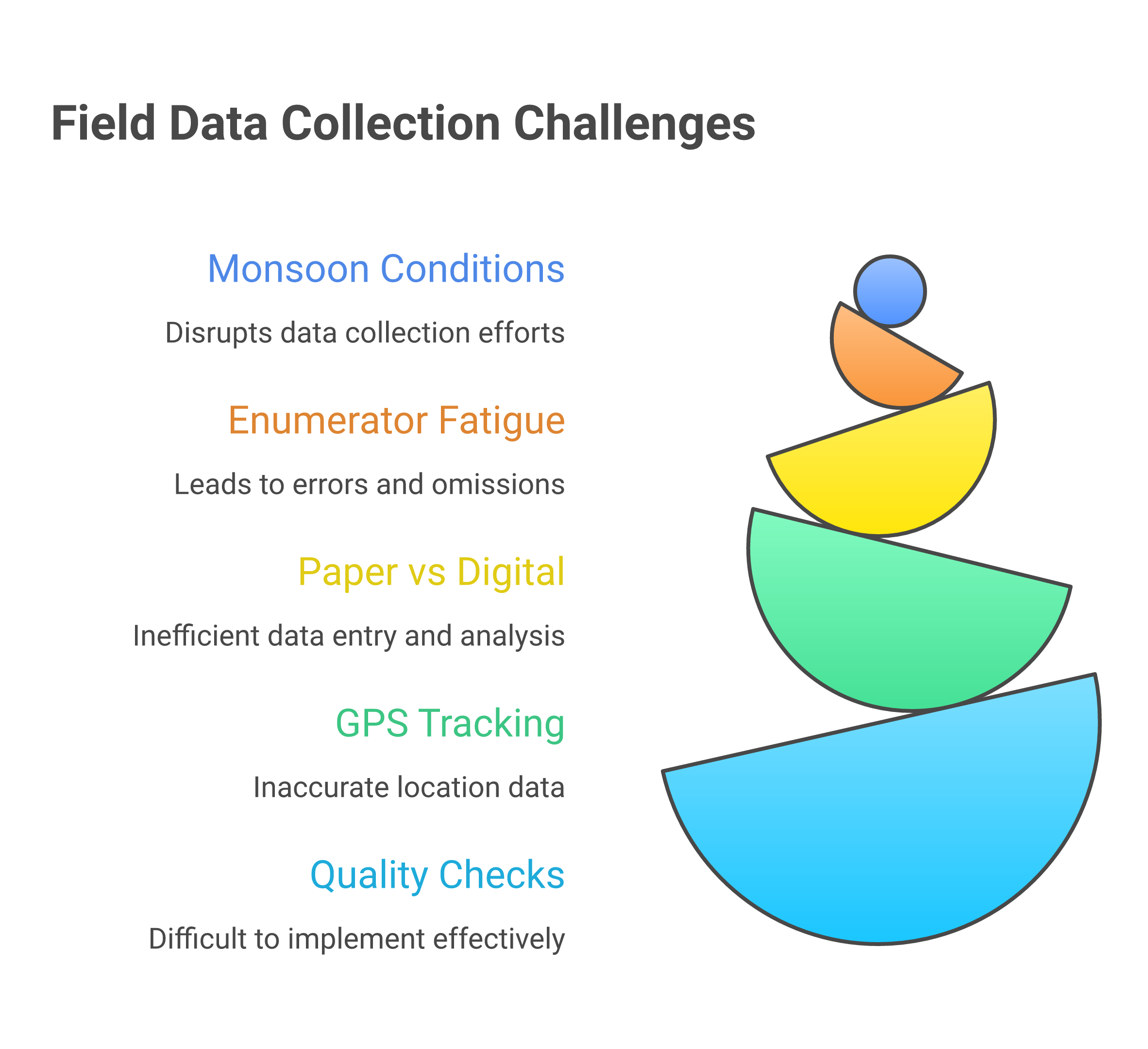
Practical strategies for maintaining data quality in challenging South Asian field conditions.
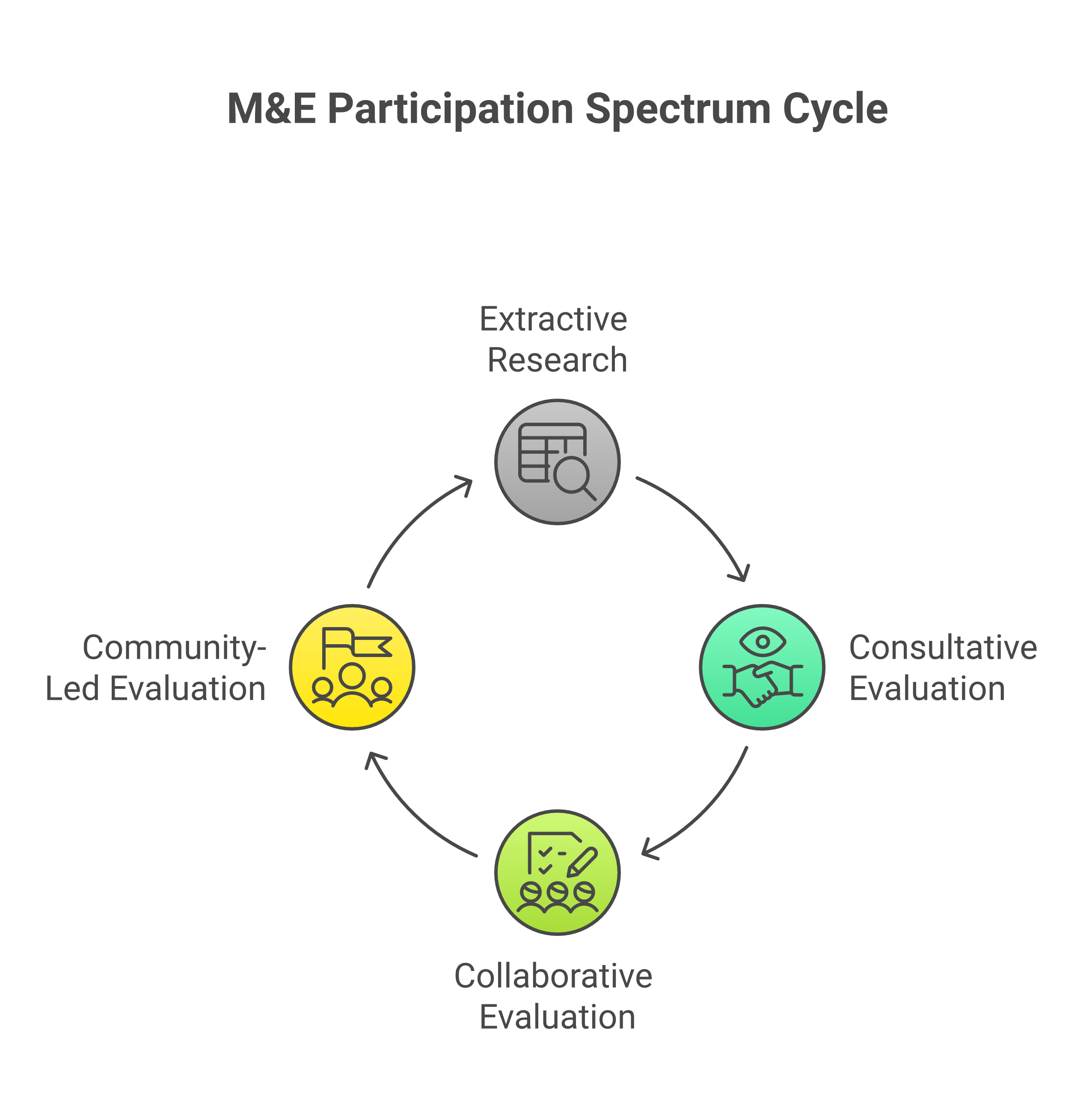
How participatory approaches shift power to communities and produce richer evidence for programme improvement.
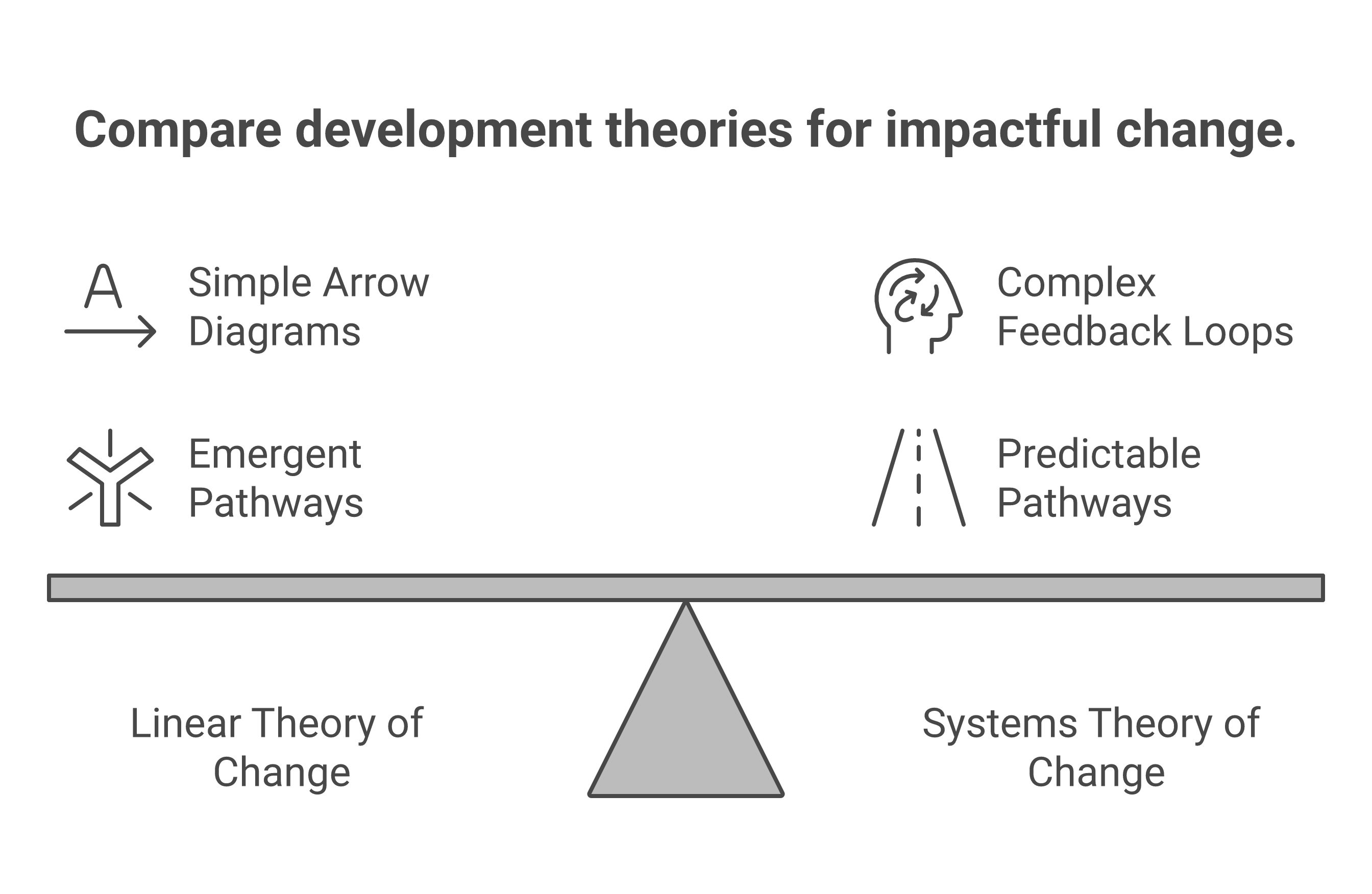
Why linear theories of change fail for complex programmes and how systems thinking offers better alternatives.
Why assumptions matter more than activities and how to test the hidden beliefs underlying your programme.
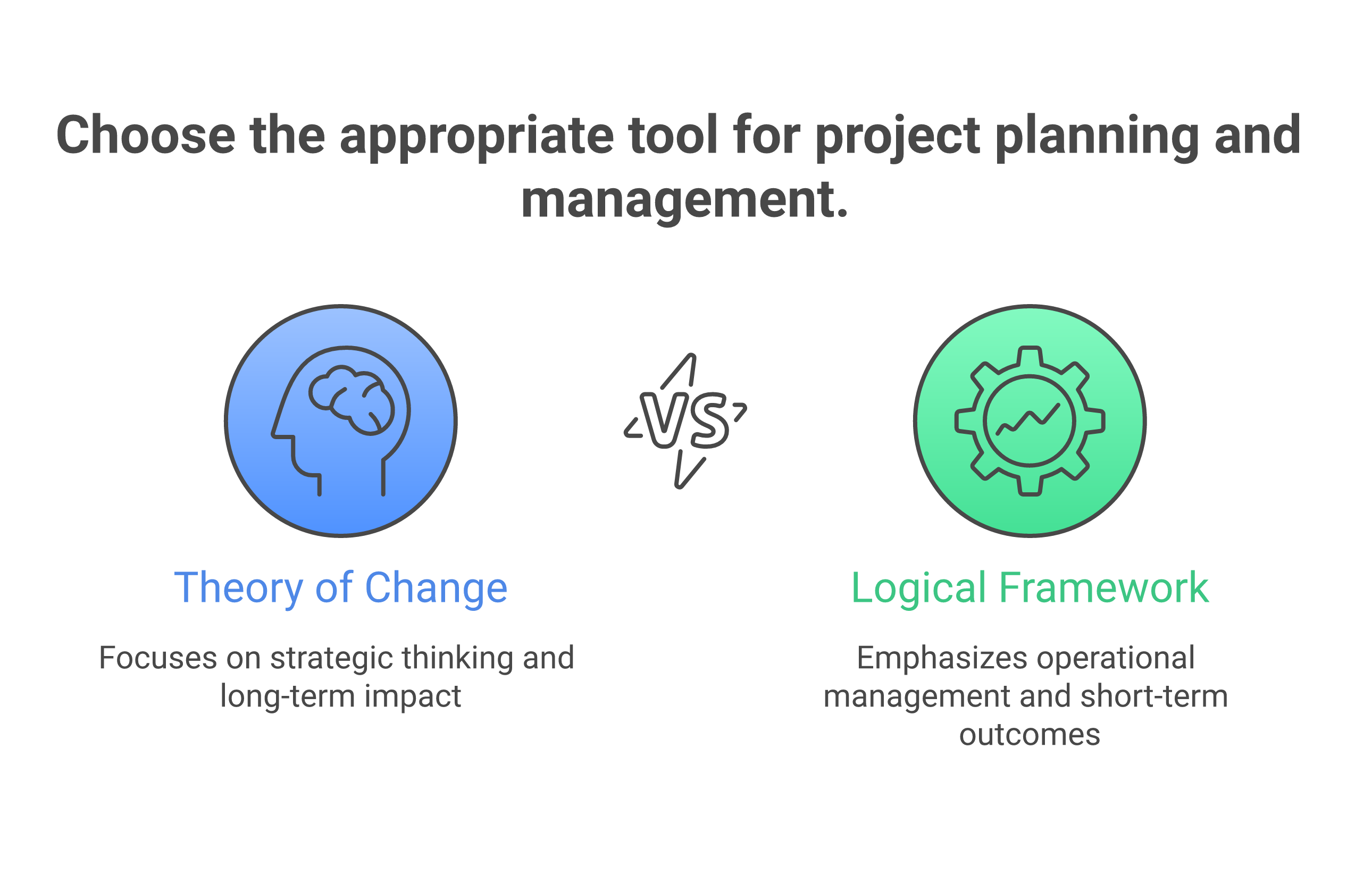
Understanding how these two tools serve different but complementary purposes in programme design.
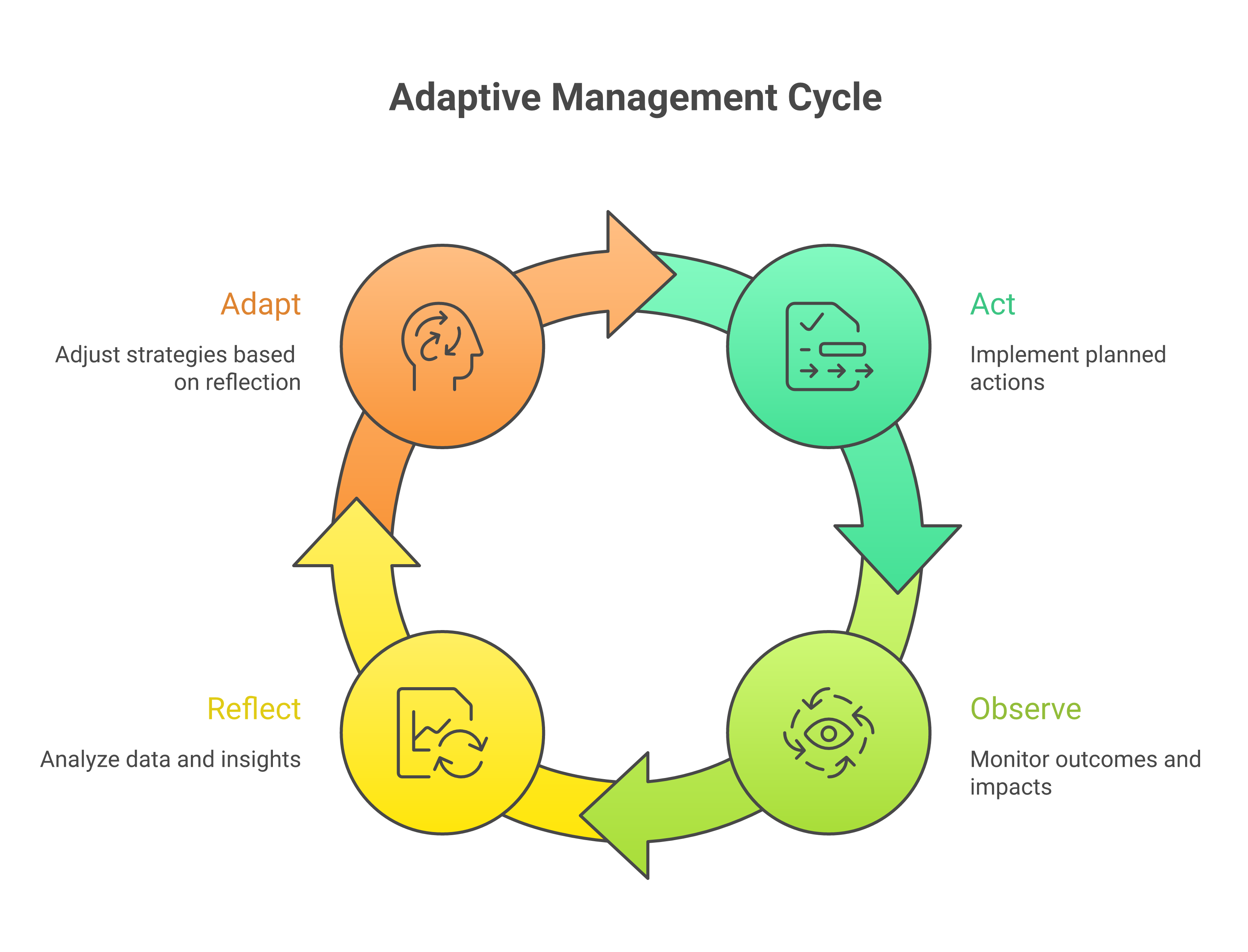
Why most ToCs die after the proposal and how adaptive management keeps them relevant throughout implementation.
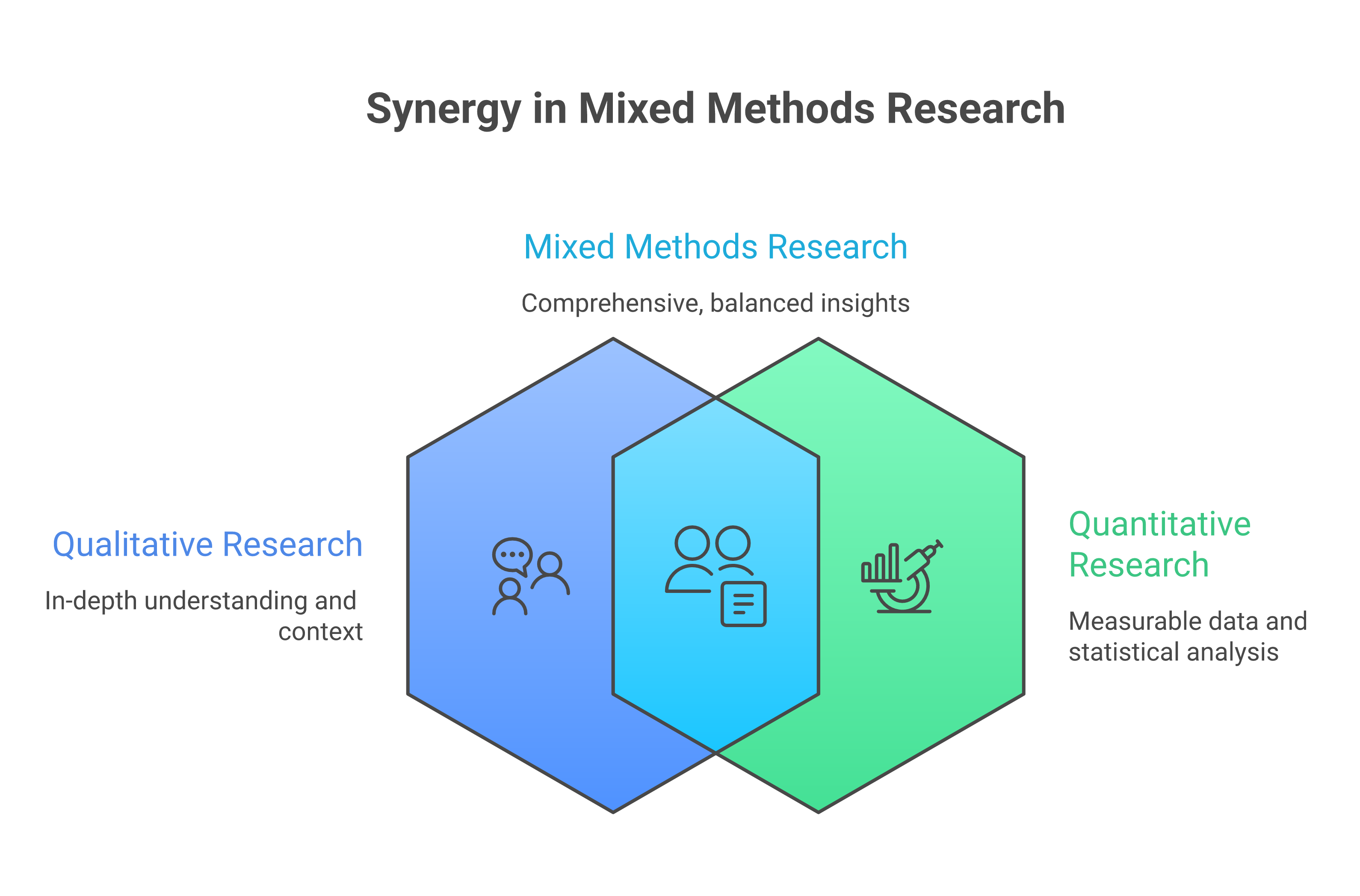
Why neither quantitative nor qualitative alone is sufficient and how to combine them effectively.
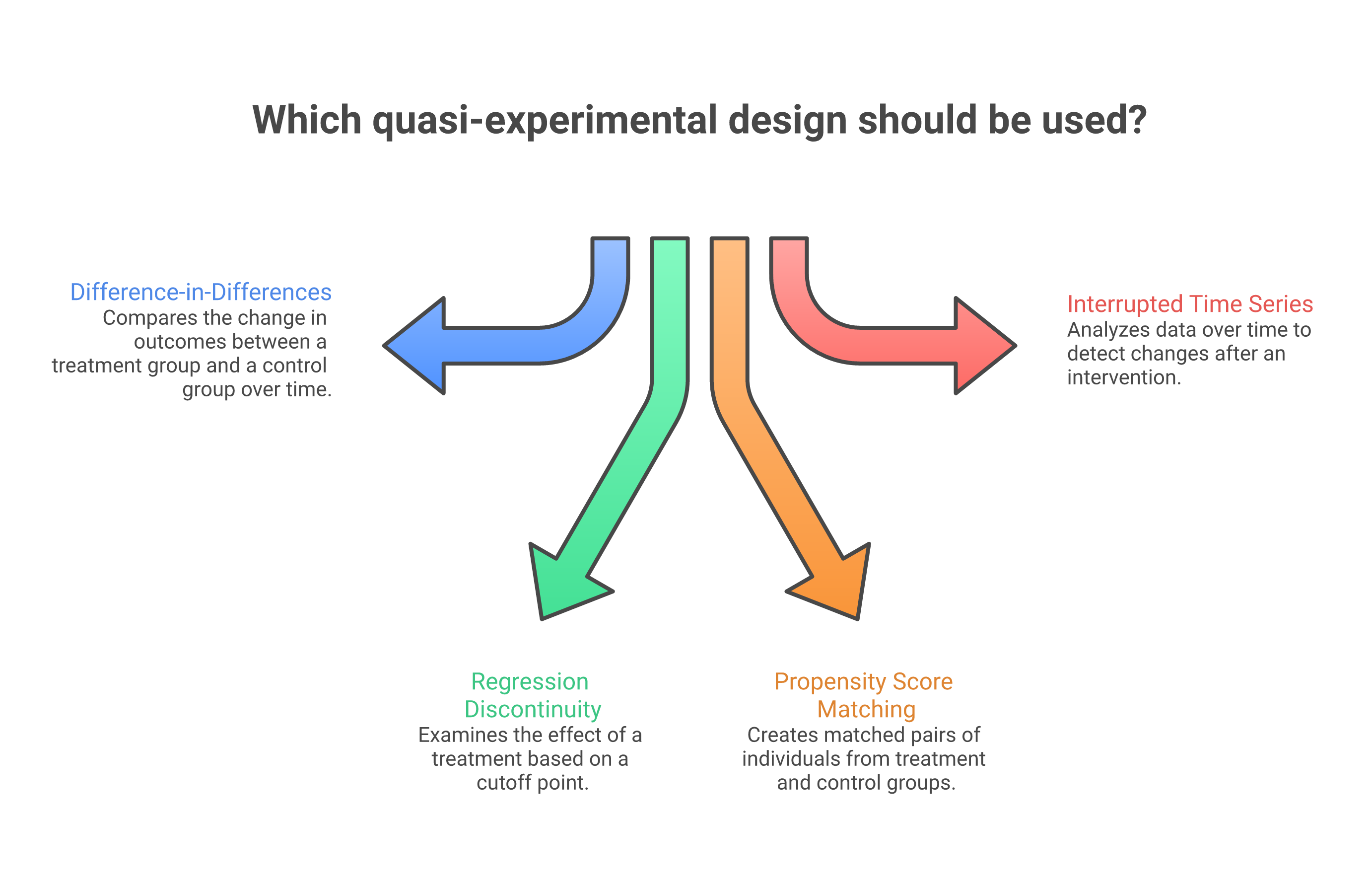
DiD, RDD, PSM and other approaches for rigorous evaluation when RCTs aren't feasible or ethical.
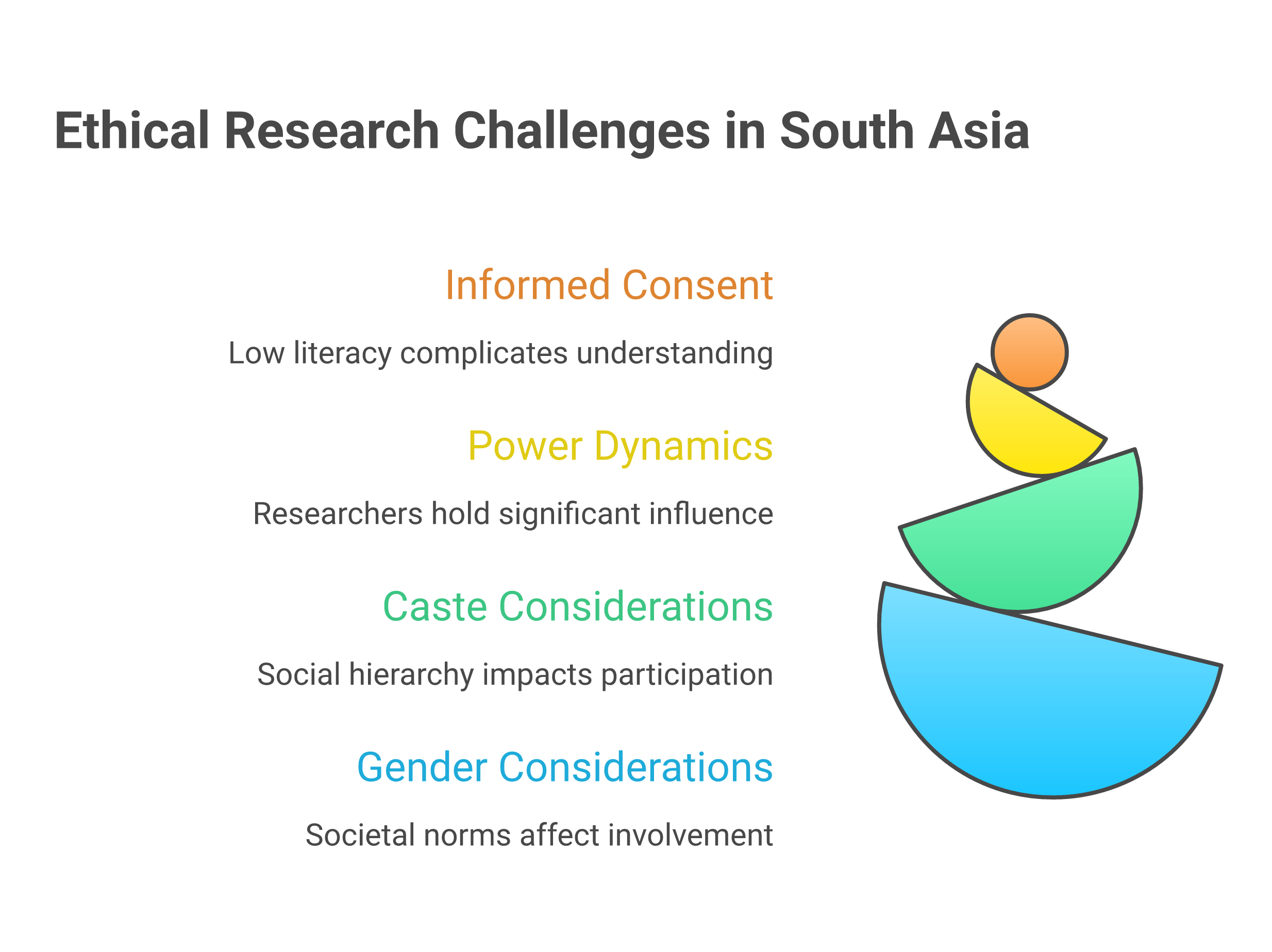
Why Western ethical frameworks don't fully apply and what genuine ethical research looks like in South Asia.
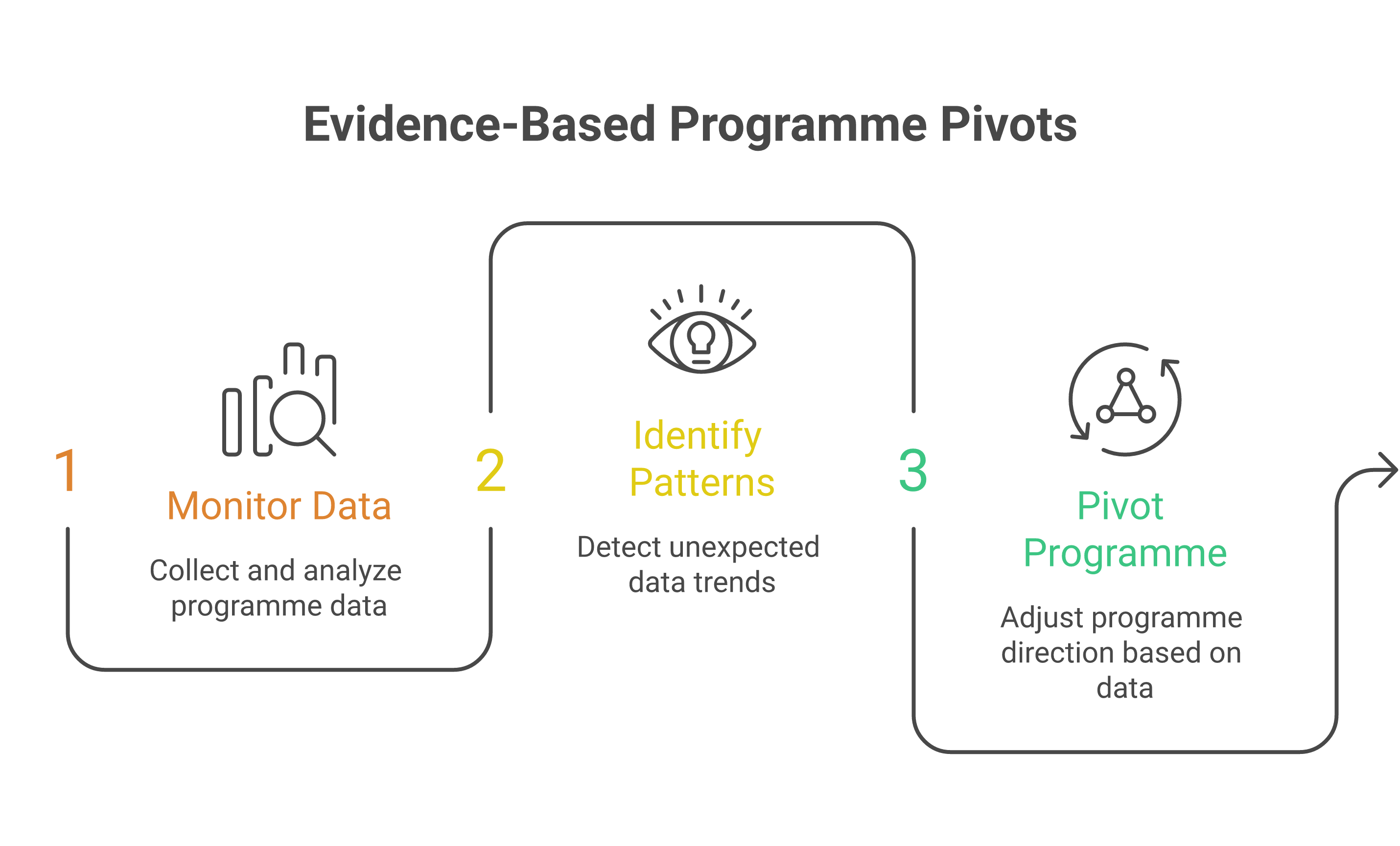
Three stories of organisations that changed direction based on M&E evidence, and the courage it took.
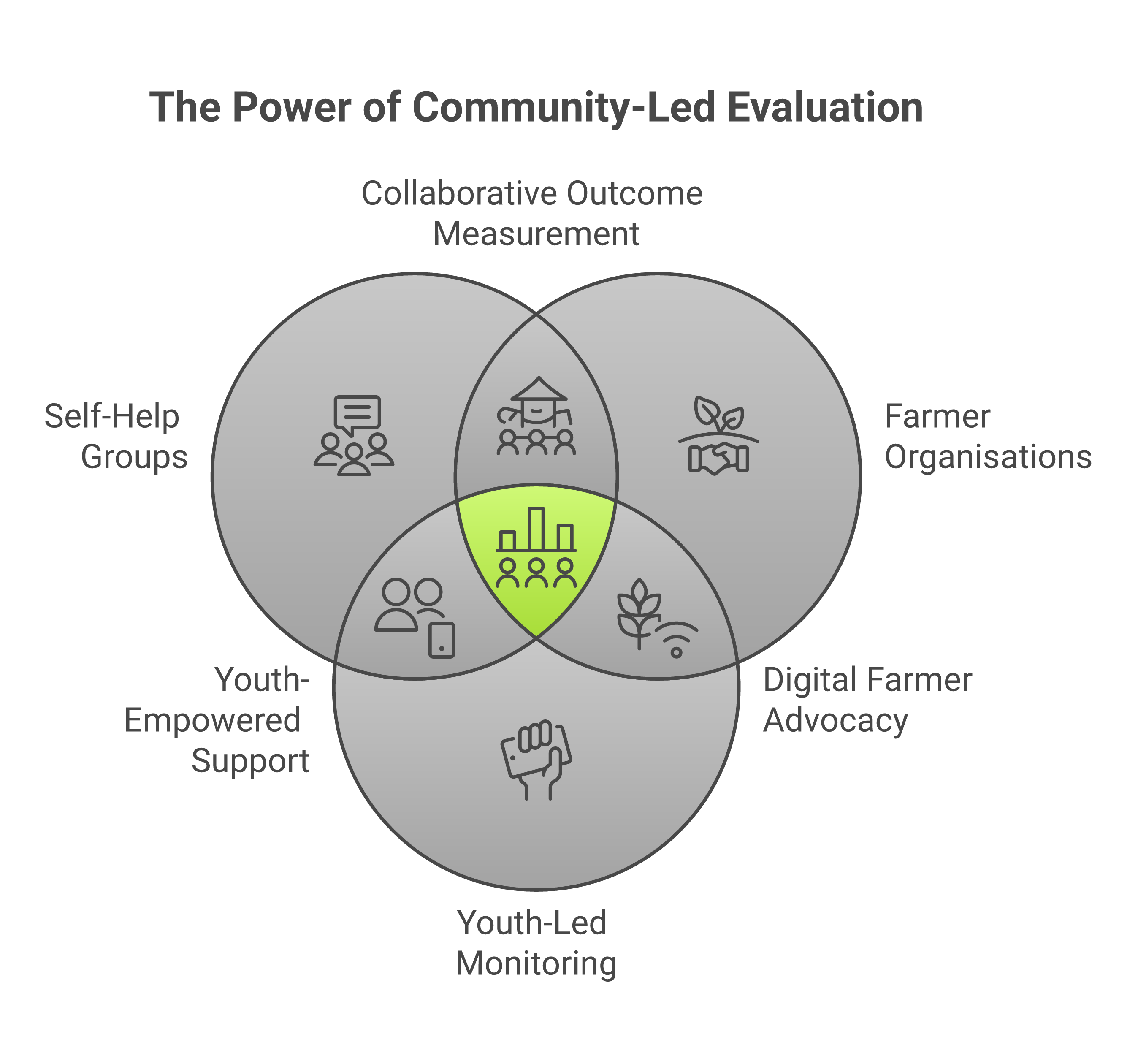
Stories of communities driving their own evaluation: from SHGs in Tamil Nadu to youth monitoring in Kolkata.
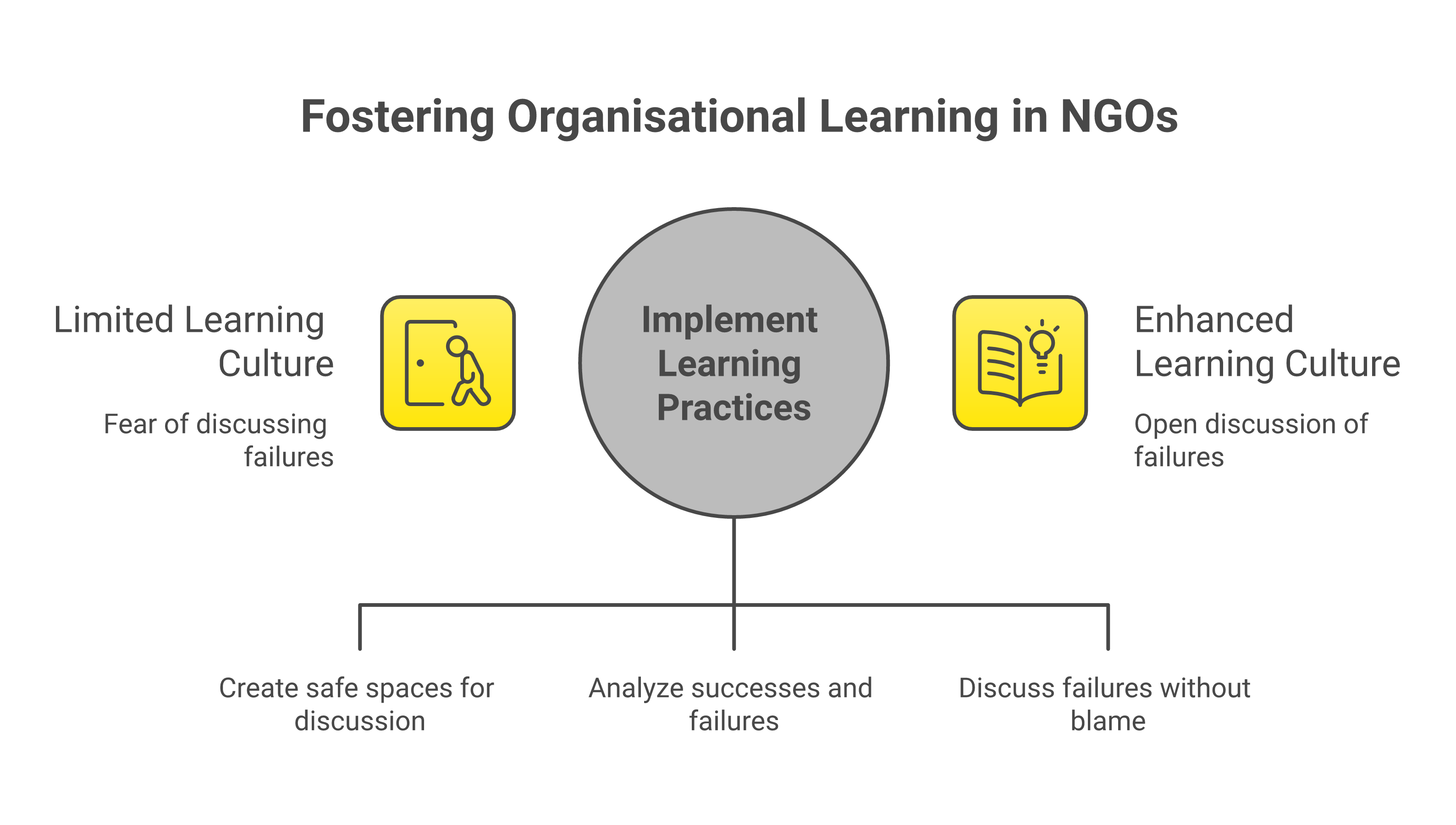
Why most organisations talk about learning but don't do it, and how to change that.
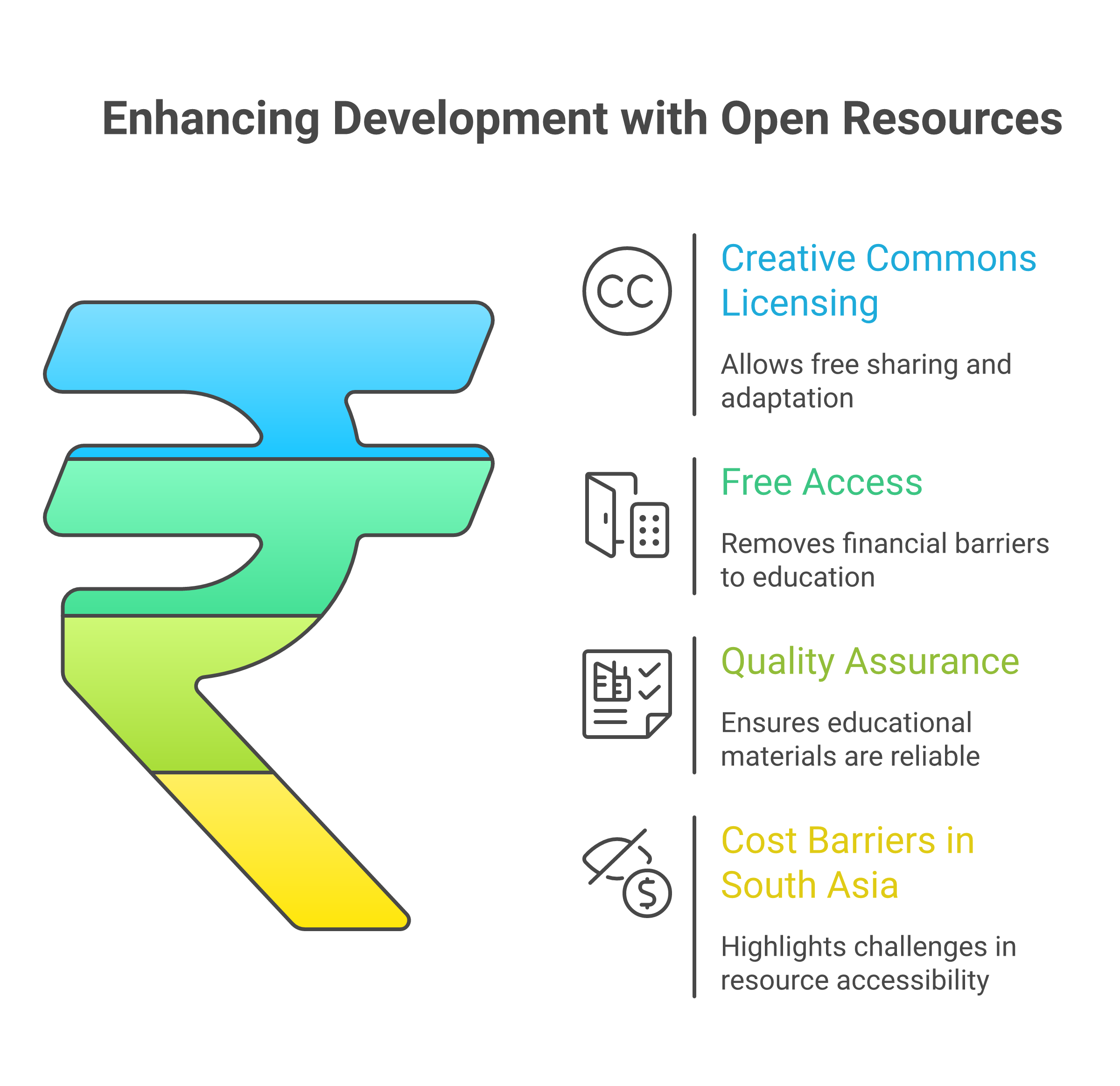
The open education movement and why it matters for professional development in the development sector.
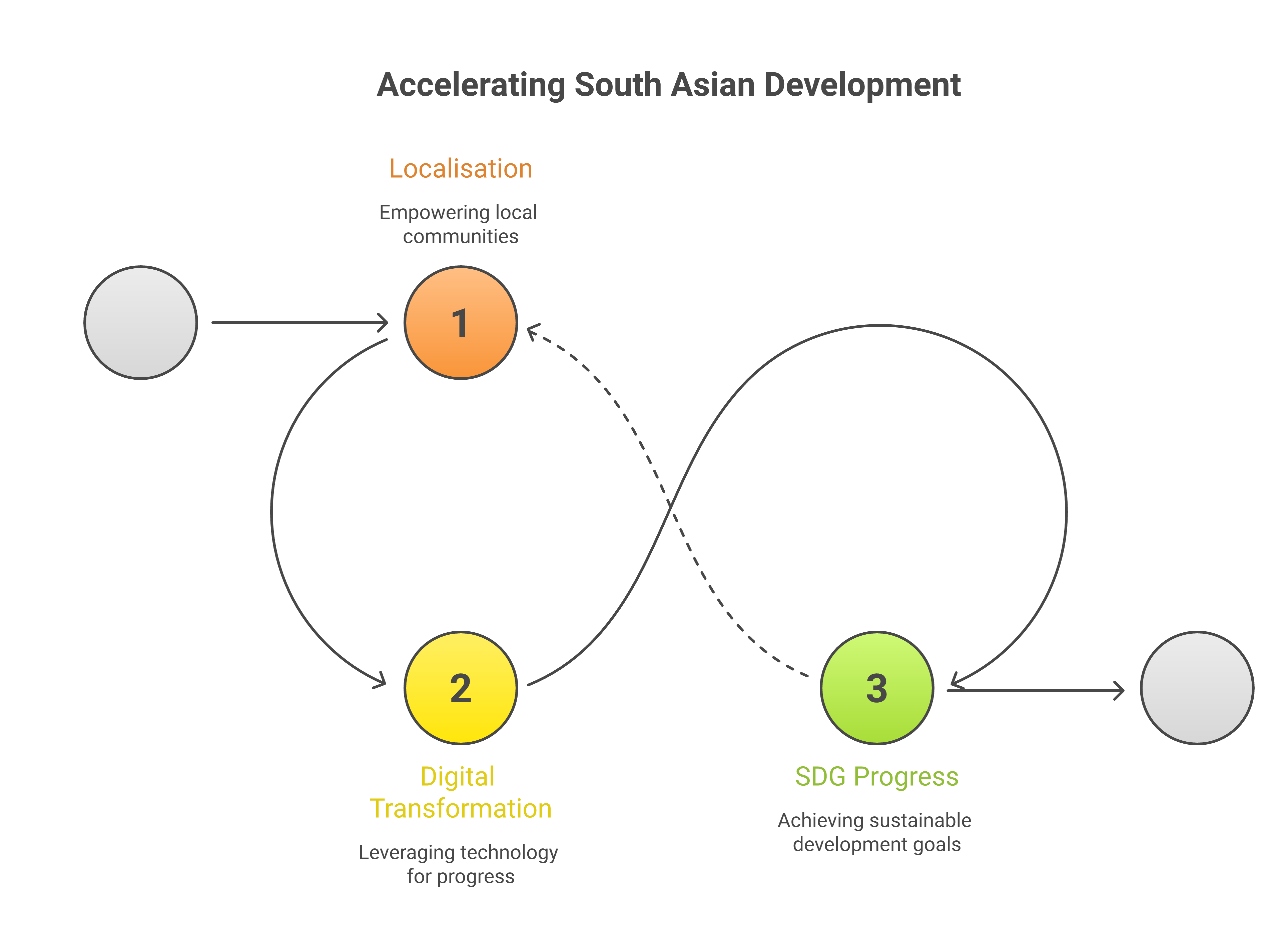
Key trends across India, Bangladesh, Nepal, Sri Lanka: localisation, digital transformation, and SDG progress.
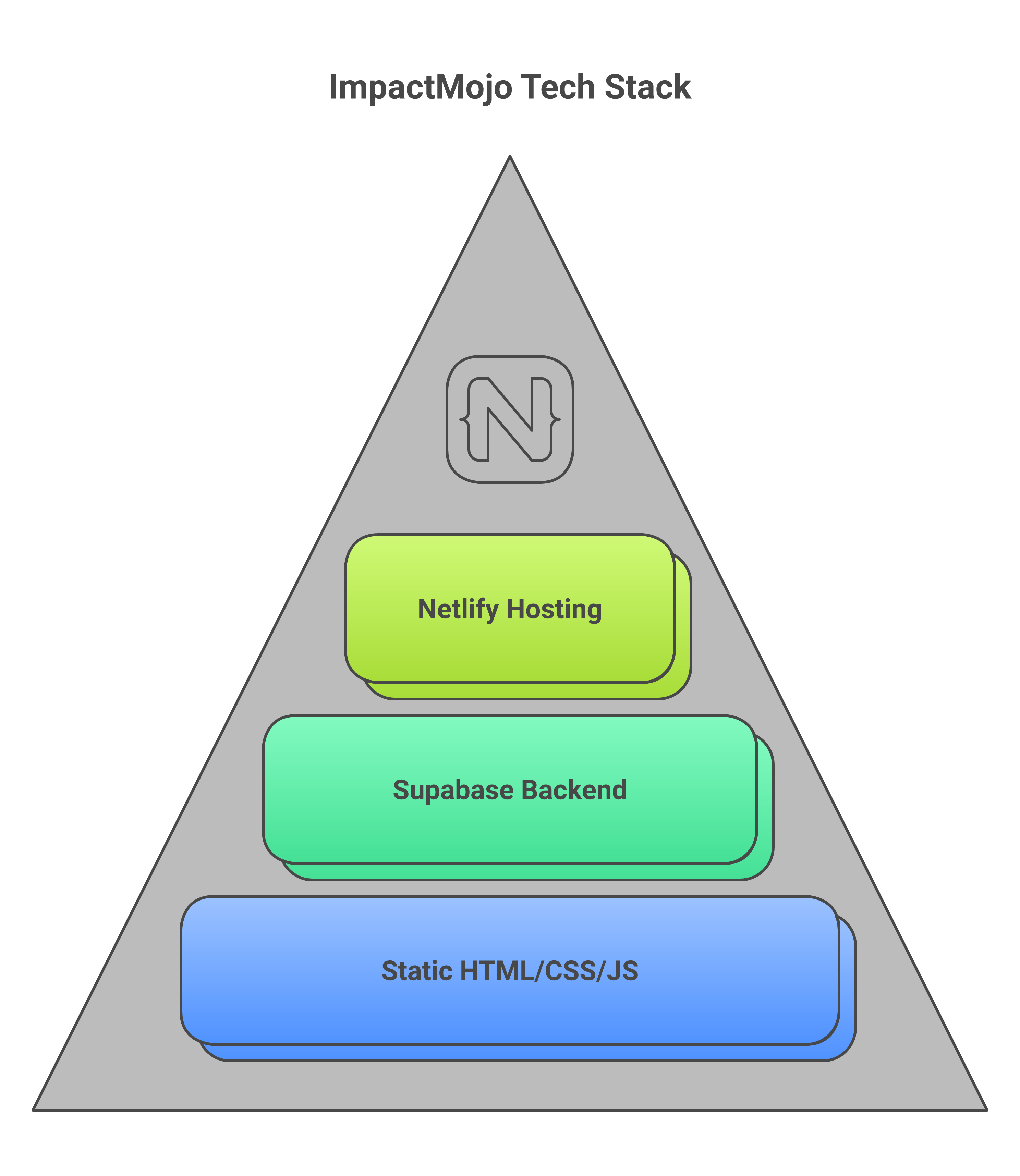
A transparent look at our tech stack and why we chose simplicity over complexity.
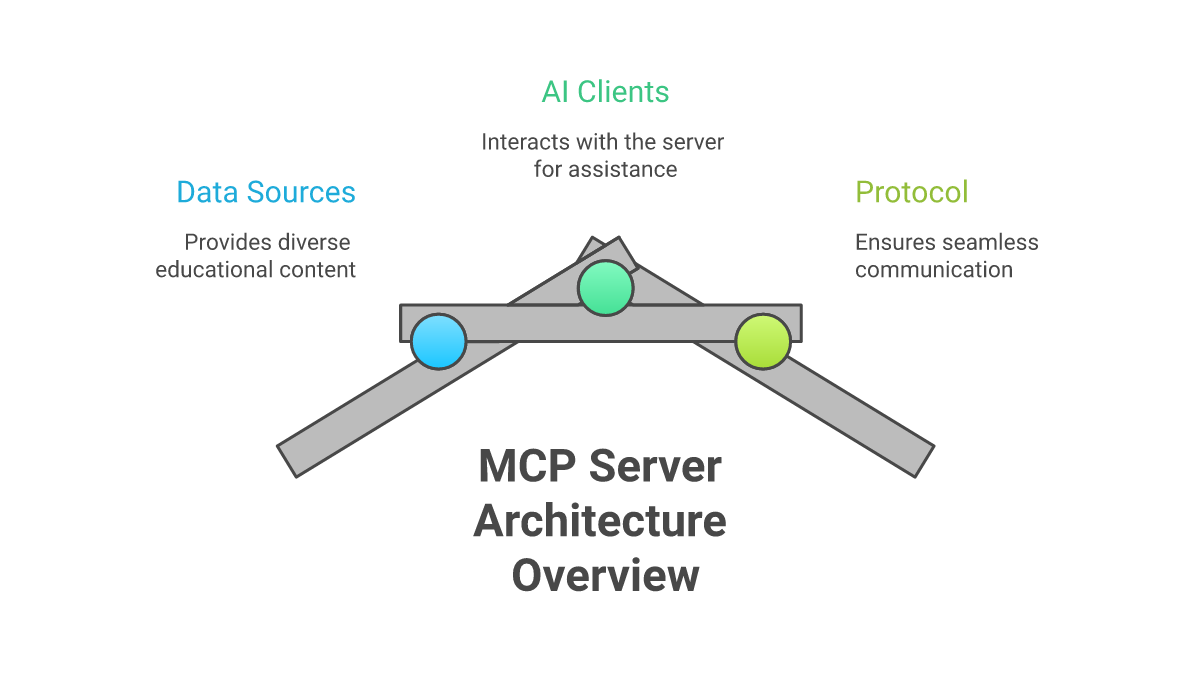
How our MCP server lets any AI assistant search 700+ development education resources.

How GitHub's open-source ecosystem is transforming development practice in South Asia.
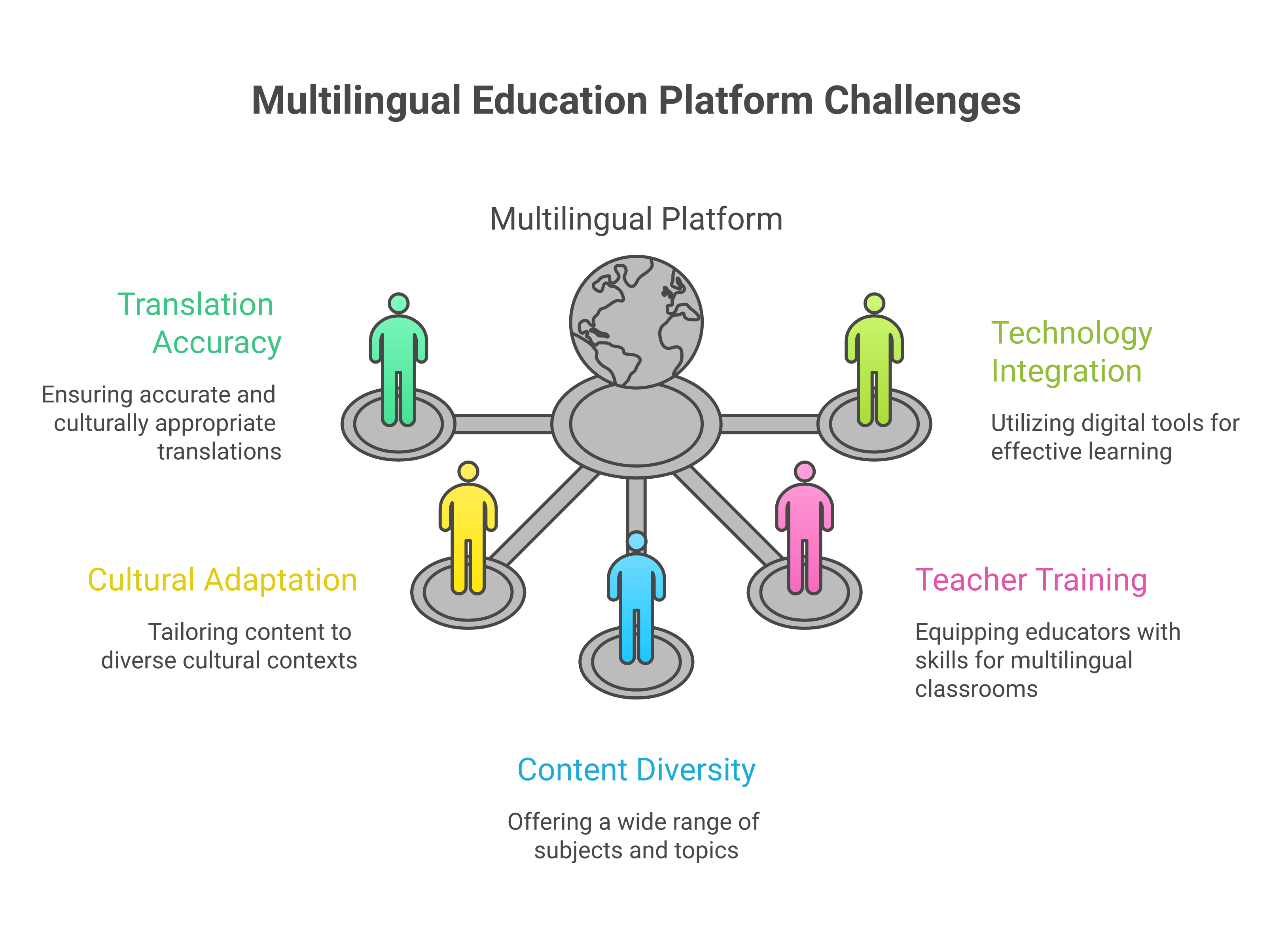
Our journey adding Hindi, Tamil, Bengali, Telugu, Marathi, and what we learned about cultural adaptation.